

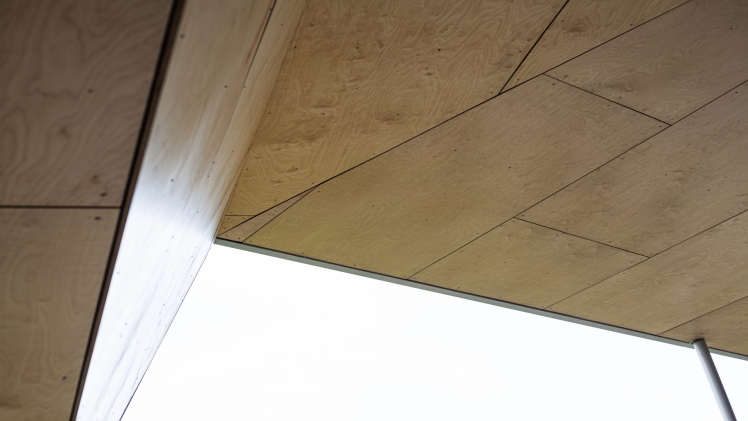
A lively city teeming with culture and innovation, Melbourne has always been a hotbed for emerging trends. As the capital of Australia’s Victoria State, Melbourne is a hub for architectural marvels, aesthetic interior designs, and state-of-the-art furniture pieces. Recently, the city’s creative minds have ventured into exploring the multifaceted uses of plywood. The once underrated material is now sailing towards new horizons. Consequently, plywood suppliers in Melbourne are experiencing a resurgence in demand.
Plywood Breaking Stereotypes
For a long time, plywood was viewed as inferior to solid wood. However, this notion is changing rapidly. Designers and carpenters now use plywood for its flexibility, durability, and sustainability. These characteristics make it an ideal material for various applications, not just as a hidden support structure. The patterns and grains are visible on plywood and add natural charm, giving the designs a raw yet sophisticated finish. Additionally, modern treatments and manufacturing techniques have significantly improved the quality and varieties of plywood. These advances make it suitable for indoor and outdoor applications, making plywood a preferred choice for architects and interior designers.
The Emergence of Sustainable Design Trends
One of the essential factors influencing the newfound love for plywood is sustainability. The growing eco-consciousness among people has put environmentally friendly materials in the spotlight. Plywood requires less wood to manufacture than solid timber, making it a more sustainable option. Additionally, many business it support Melbourne are now ensuring that their products are sourced from responsibly managed forests. This responsible sourcing not only guarantees the sustainability of the product but also ensures the conservation of ecosystems. Consumers are becoming more informed and demanding products that align with their values, making sustainability a driving force in the market.
Innovation in Construction Techniques
Plywood’s adaptable nature has led to revolutionary construction techniques. For instance, cross-laminated timber (CLT) is a robust plywood variant made by gluing layers of wood at right angles. Due to its strength and lightness, this material has become popular for constructing walls and floors in residential and commercial buildings. Moreover, the ease of working with plywood has allowed for streamlined production processes and faster construction times. The advent of digital fabrication techniques, such as CNC milling, has further broadened the applications of plywood in construction. This compatibility with modern manufacturing technologies has positioned plywood as a material that can shape the future of construction.
Artistic Exploration with Plywood
The world of art and decoration has remained intact by the versatility of plywood. Artists and interior designers are exploiting the pliable nature of plywood to create intricate designs and decorations. From stunning sculptures to modern wall art, plywood has become a medium for artistic expression. Its affordability allows even amateur artists to dabble in creative endeavours without burning a hole in their pockets. Furthermore, plywood’s diverse textures and patterns give artists a challenging and inspiring canvas. Schools and art institutions also incorporate plywood into their curricula, encouraging students to experiment and innovate.
The Impact on Furniture Design
Finally, let’s not overlook the significant impact of plywood on furniture design. Gone are the days when solid wood ruled the roost. With its sleek lines and modern aesthetic, Plywood furniture is stealing the show. Its ability to be moulded into various shapes allows for innovative furniture designs that are visually appealing and ergonomically efficient. Moreover, the strength-to-weight ratio of plywood makes it possible to create sturdy yet lightweight furniture, which is particularly advantageous for modern urban living spaces where mobility and modularity are essential.
In conclusion, plywood is soaring new heights and expanding its wings in the contemporary world. As an epicentre of innovation and design, Melbourne continues to foster this growth. The plywood suppliers in Melbourne are, without a doubt, paving the way for a new era of plywood applications. The possibilities are limitless, whether it’s sustainable construction or creative art pieces.
